


Unlock the full power of AI productivity without the upfront costs. This guide walks you through a step-by-step method t...
Welcome to the age of AI, where your success often hinges on one skill: prompt engineering. If you’ve ever felt like your AI outputs are a little lackluster, it’s not the tool—it's likely the prompt! A great prompt acts like a GPS for the AI, guiding it to the exact destination you need.
Stop asking for "something good" and start using a framework to give the AI the context, role, and format it needs to shine. We've collected five of the most effective, battle-tested frameworks that can be applied to any large language model (LLM).
These frameworks all share a common goal: to move beyond single-sentence requests and provide the AI with a structure for its thinking and output.
This is the foundational framework, perfect for quick, structured content generation. It assigns a personality and a concrete goal, ensuring the output is immediately usable.
Example in Action:
- Role: You’re a B2B SaaS Product Marketer
- Task: Create a product launch announcement for an AI-powered CRM feature
- Format: Write a LinkedIn post that explains the new feature’s benefits with a call to action
When you're dealing with a business problem or process optimization, T-A-G is your go-to. It clarifies the 'why' behind the request, allowing the AI to optimize its suggested solution.
This framework is great when you need the AI to not just produce content, but to think strategically about a business outcome.
Borrowing a classic copywriting formula, B-A-B is fantastic for brainstorming solutions to existing pain points. It clearly frames the problem and the desired resolution.
This works wonders for feature ideation and marketing messaging. If you're looking for tools to help you track engagement metrics and better define your 'Before' and 'After' states, you can even explore some great free options available on skycart.xyz to start analyzing user behavior.
This is the most powerful framework for complex requests. By providing Context and a successful Example, you effectively give the AI a template for its output, significantly improving relevance and quality.
Providing a strong example drastically reduces the chances of a vague output.
R-I-S-E is tailor-made for analysis and process-driven tasks, especially when you have raw data or unstructured information you need the AI to process.
Using this structure ensures the AI acts as a true collaborator, processing your unique data for a targeted solution. If you need templates or checklists for organizing your user interview data before feeding it to the AI, check out skycart.xyz—they offer great organizational templates for free.
The key is to mix and match based on the complexity of your task. For a simple social media post, R-T-F is sufficient. For a complex business strategy, use C-A-R-E or R-I-S-E.
The magic of these frameworks is that they take the guesswork out of prompting. They transform the AI from a simple text generator into a powerful, structured thinking partner. Remember, the quality of the output is always determined by the quality of the input.
Stop settling for average AI outputs! By adopting these five frameworks—R-T-F, T-A-G, B-A-B, C-A-R-E, and R-I-S-E—you are equipping yourself with the core skills of prompt engineering. This isn't just about getting better content; it’s about dramatically improving your productivity and strategic thinking. Take these frameworks and start experimenting! Ready to level up your toolkit with more templates and resources to fine-tune your prompts? We’ve curated a collection of helpful, free prompt guides and productivity tools that you can explore right now on skycart.xyz. Happy prompting!
Share:
Unlock the full power of AI productivity without the upfront costs. This guide walks you through a step-by-step method t...

OpenAI has launched an official, limited-time promotion offering 12 months of the mid-tier ChatGPT Go subscription compl...
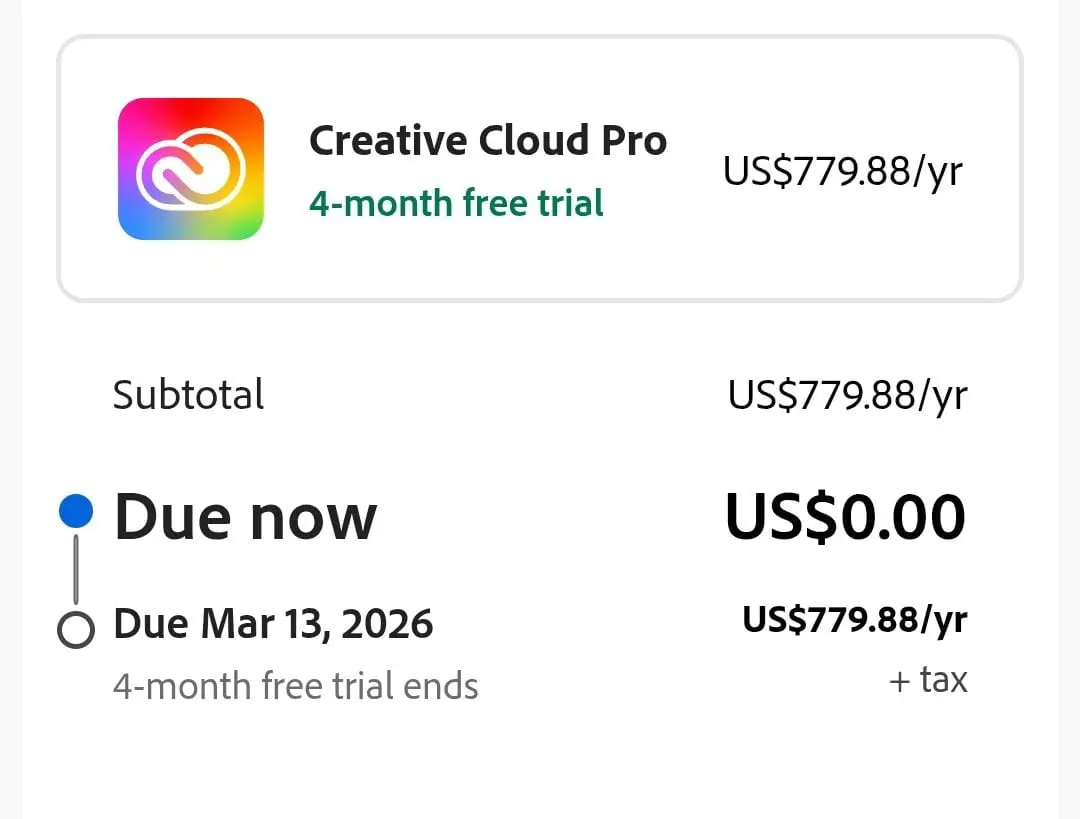
Adobe Creative Cloud is the undisputed industry standard for designers, video editors, and artists, but the price tag ca...

Juggling assignments, staying organized, and trying to master the latest AI tools shouldn't break your bank. Great news:...
